

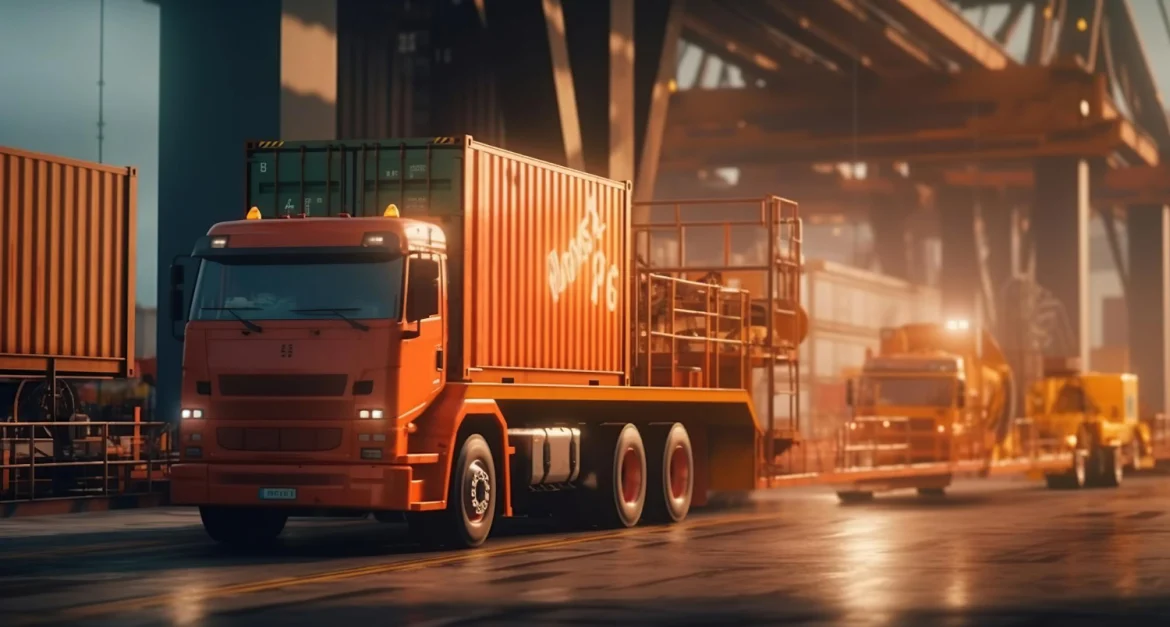
Sustainability has become a key focus in logistics as companies strive to reduce their environmental impact while improving operational efficiency. In this blog, we’ll explore the benefits of adopting eco-friendly transportation practices, including the use of electric trucks, route optimization, and waste reduction strategies. We’ll also look at how embracing sustainability can enhance a company’s reputation and profitability, catering to the growing demand for green logistics solutions from consumers and businesses alike.
1. Reducing Carbon Emissions with Electric Trucks
One of the most significant ways logistics companies can reduce their carbon footprint is by incorporating electric vehicles into their fleets. Unlike traditional diesel-powered trucks, electric trucks produce zero emissions, helping to combat air pollution and global warming. As electric vehicle (EV) technology advances, the range and efficiency of these trucks continue to improve, making them a viable option for both short and long-distance transport.
Benefits of Electric Trucks:
- Lower Emissions: No exhaust emissions, reducing greenhouse gases and air pollutants.
- Cost Savings: Electric vehicles can lower fuel costs and maintenance expenses, as they have fewer moving parts compared to diesel engines.
- Enhanced Brand Image: Companies that adopt electric trucks can market themselves as environmentally conscious, appealing to eco-minded customers.
2. Optimizing Routes for Fuel Efficiency
Route optimization plays a critical role in reducing fuel consumption and minimizing environmental impact. By using advanced logistics software that calculates the most efficient routes, companies can reduce the distance traveled, avoid traffic, and minimize fuel usage. Efficient route planning also leads to faster deliveries and reduced vehicle wear and tear.
Key Advantages of Route Optimization:
- Fuel Reduction: Shorter, more efficient routes reduce the amount of fuel burned, lowering operational costs and emissions.
- Improved Delivery Times: Efficient routing reduces delays and speeds up deliveries, improving customer satisfaction.
- Lower Operational Costs: Minimizing unnecessary mileage reduces the need for frequent vehicle maintenance and prolongs the life of the fleet.
3. Reducing Packaging Waste
Another critical area where logistics companies can make a positive environmental impact is through packaging. Excessive packaging not only increases waste but also adds to transportation costs due to increased weight and volume. By adopting sustainable packaging practices—such as using recycled materials, reducing the size of packages, and eliminating single-use plastics—logistics providers can significantly cut down on waste.
Sustainable Packaging Practices:
- Use of Recycled Materials: Implementing eco-friendly packaging made from recycled or biodegradable materials.
- Right-Sized Packaging: Using appropriately sized packages to minimize excess material and reduce overall shipment weight.
- Eliminating Single-Use Plastics: Transitioning to reusable or recyclable packaging solutions for long-term sustainability.
4. Enhancing Customer Loyalty Through Sustainability
In today’s market, customers are increasingly concerned about the environmental impact of their purchasing decisions. Many consumers actively seek out businesses that prioritize sustainability, and logistics companies can leverage this trend to build stronger relationships with clients. By adopting green logistics practices, businesses can enhance their brand image, attract environmentally conscious customers, and differentiate themselves from competitors.
How Sustainability Attracts Customers:
- Eco-Conscious Consumers: More consumers are willing to support brands that take action to protect the environment.
- Corporate Social Responsibility (CSR): Businesses that prioritize sustainability often earn public recognition, increasing their appeal to customers and investors.
- Long-Term Loyalty: Sustainable practices not only help attract new customers but also foster loyalty by demonstrating a commitment to long-term environmental responsibility.
5. Financial Benefits of Sustainable Logistics
While the initial investment in sustainable practices, such as electric trucks and eco-friendly packaging, may seem high, the long-term financial benefits are substantial. Reduced fuel consumption, lower maintenance costs, and optimized routes lead to significant savings over time. Additionally, businesses that embrace sustainability may be eligible for government incentives, tax breaks, and grants aimed at promoting green technology.
Financial Benefits:
- Cost Efficiency: Lower fuel and maintenance costs offset initial investments in sustainable technology.
- Government Incentives: Many governments offer tax incentives and subsidies for businesses adopting eco-friendly practices.
- Long-Term Profitability: Sustainability initiatives often lead to improved operational efficiency, resulting in greater profitability over time.
Conclusion
Sustainable transportation practices are not just good for the environment—they’re good for business. From reducing costs to enhancing customer loyalty, adopting green logistics solutions positions companies to thrive in a rapidly changing market. As consumers and businesses alike place increasing value on sustainability, logistics providers that invest in eco-friendly transportation solutions will not only reduce their environmental footprint but also gain a competitive edge in the industry. Embracing sustainability is not just an option; it’s the key to long-term success in logistics.
Haseeb Cargo Values
At Haseeb Cargo our culture comes to life through three core values:
More Blog







Comments (3)
Rayan Williams February,21 2024
As the world continues to fight COVID-19 some property owners are searching
for way they can improve the security of their buildings.
Rayan Williams February,21 2024
By automating your doors this removes need for people touching handles
or surfaces. Both of the above options.
Rayan Williams February,21 2024
COVID-19 some property owners are searching
for way they can improve the security of their buildings.